Looking Beyond Scallops and Apples

The Aomori Prefecture is well known for it’s abundant and delicious supply of scallops and apples – but what about the rest of its cuisine? Aomori is well known throughout Japan for it’s variety of healthy and authentic recipes as well as its fresh, local produce. Let’s explore five unique dishes that Aomori has to offer the hungry traveler!

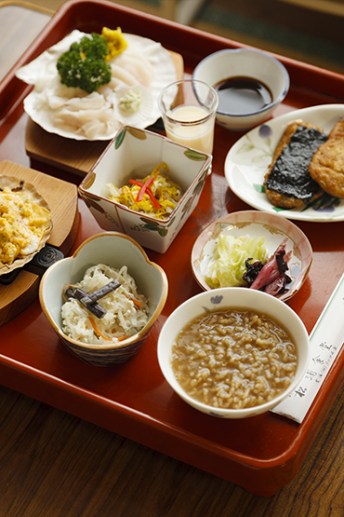
1) Cha-gayu made with Kusa-cha

travel_aomori1_02

In this dish, Cha-Gayu (literally translated as tea-porridge) is made with a particular type of tea known as  Kusa-cha, or grass-tea. This dish is a specialty of the town of Noheji, which is located at the Shimokita peninsula in the Aomori prefecture. Cha-gayu made with Kusa-cha is liked for its roasted, savory smell which is enhanced by a slightly sweet taste with hints of dashi stock.

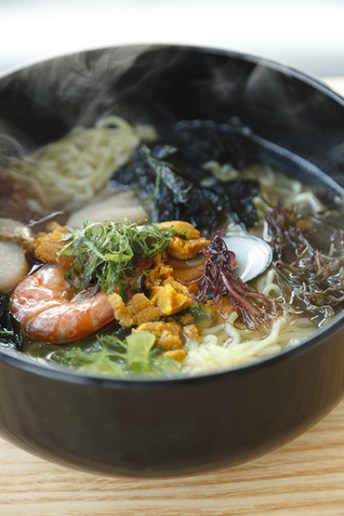
2) Iso-ramen

travel_aomori2_01

This type of ramen originates from the Tanesashi coast in Hachinohe, Aomori and consists of a steamy combination of fresh seafood and simply salt for seasoning. Oftentimes Iso-ramen will have a wide variety of seafood in its recipe – from uni (sea urchin), to hoya (sea squirts), and perhaps even some awabi (abalone). When these ingredients are put together they form a rich, yet simplistic, dish.

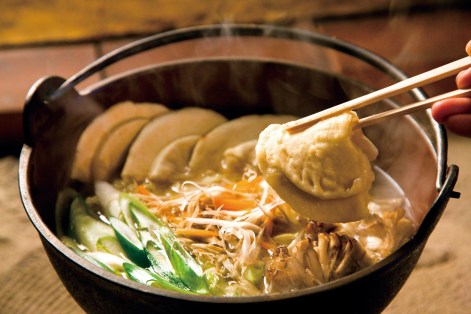
3)Senbei-Jiru made with Nanbu-Senbei crackers

senbeijiru_1

Another culinary specialty of the Hachinohe region is Senbei-Jiru, a vegetable soup that is made with special Nanbu-Senbei crackers. These crackers – which are a delightful snack on their own – are broken into pieces and then submerged into the soup where they soak up its flavor. Surprisingly, even after being soaked in the hot broth these crackers don’t fall apart! 

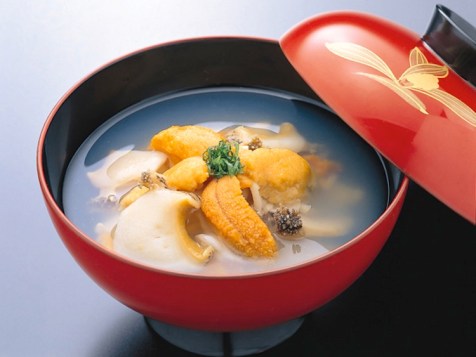
4) Ichigo-ni

ichigo-ni-aomori

This dish is an Aomori staple, and while it is typically made for special occasions, it can be found throughout the prefecture year-round. Ichigo-ni is a seafood soup that is made from uni (sea urchin) and awabi (abalone) that are mixed with soy sauce and salt. Its name translates to “boiled  strawberries” and while there are no strawberries to be found in this recipe, it is believed to have gotten its name from the way that the floating uni resemble the wild strawberries of Aomori.

5) Igamenchi

onigirazu_a_05

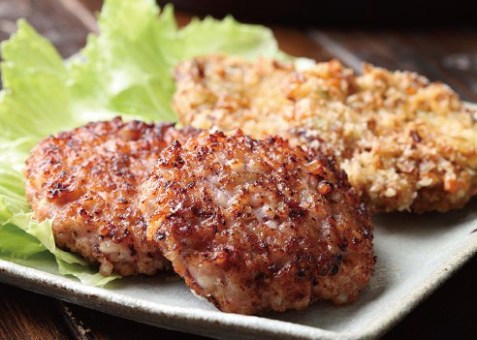
Our last dish on this list is called Igamenchi and is made out of squid tentacles and fins that are mixed with some vegetables and then deep fried. This dish is a favorite amongst Izakaya (Japanese pub) visitors, particularly in Hirosaki city where the dish originated, and is a perfect addition to drinks.


For more information on these foods as well as other delicacies from the Aomori Prefecture, please visit these references:

http://r-tsushin.com/en/food_of_japan/travel_aomori.html

www.kyuhoshi.com/2016/07/28/10-most-popular-local-dishes-of-aomori/

http://jpninfo.com/33873

http://www.en-aomori.com/category/recommended/food

http://www.en-hirosaki.com/food.html

https://www.japan-experience.com/city-aomori/culinary-specialties-aomori

Volunteer Spotlight: Elizabeth Bull

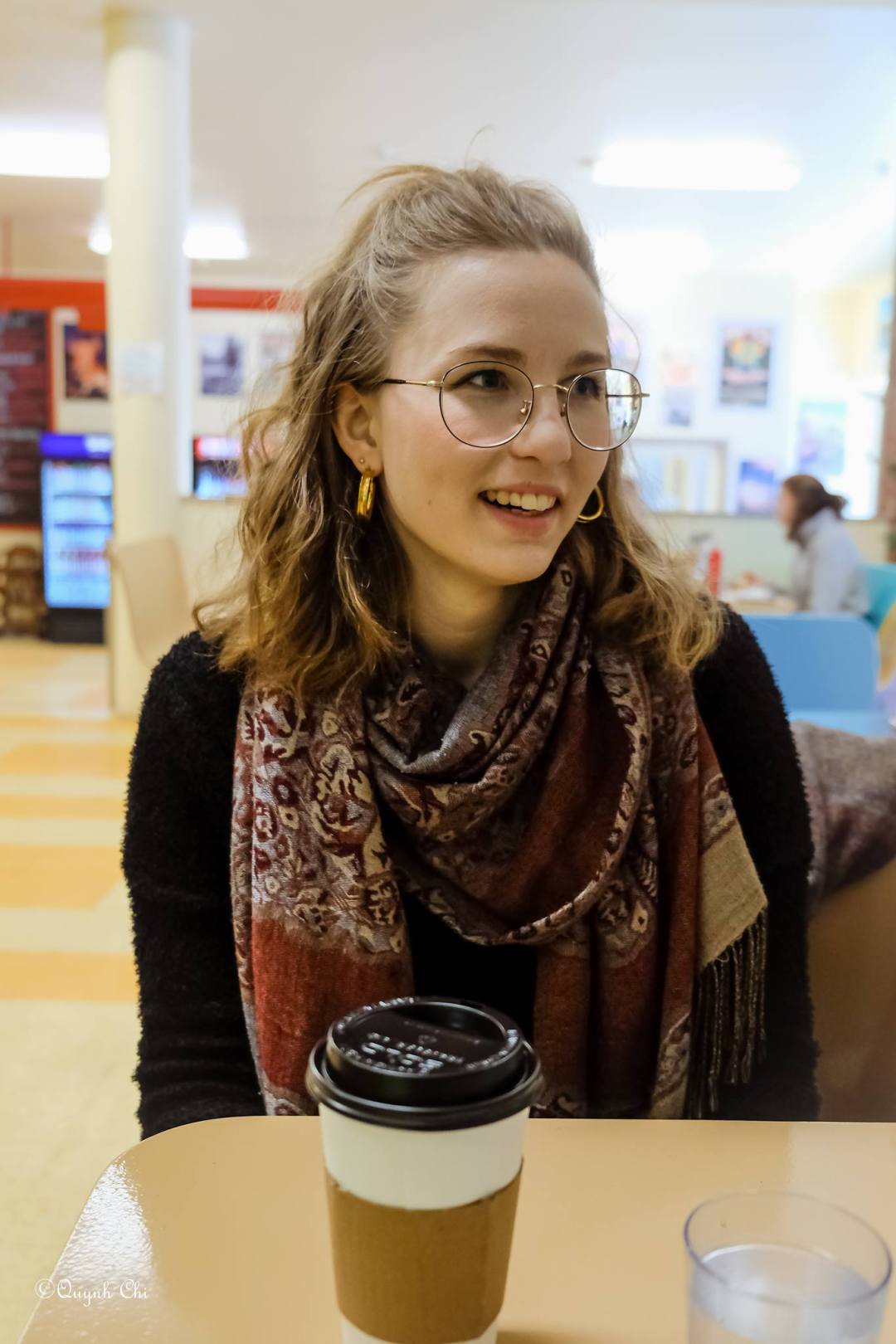
We’re continuing our Volunteer Spotlight feature throughout April in honor of Volunteer Appreciation Month! This feature highlights Elizabeth, who has not only volunteered with us but now serves as our Communications Intern this Spring!

17474273_1067669546671523_283560968_o

1) Tell us about yourself!

I am currently a senior undergrad at the University of Southern Maine and am double-majoring in Communication and Sculpture. I have always had a love for international cultures, particularly those that offer different perspectives, histories, values, and traditions to the West. Since I was a kid, Japan has had a special place in my heart. While I have studied in South Korea for a semester, I have only spent a 10 day sojourn in Tokyo, so I hope to make it back to Japan someday soon and really get to see the country!
 
2) How did you get involved with Friends of Aomori?
 
I became involved with FOA around two years back when I bonded with the then-president Patricia Parker – who had lived and taught in S. Korea – after I had just returned from my own excursions. I expressed my interests in volunteering with FOA in one of our conversations, and there you have it, I’ve been volunteering since!
 
3) What kind of volunteer work did you do for FOA?
 
So far most of my volunteer time has gone to helping with the put-up and take-down of the MAPS exhibits, but I just recently participated in the 2017 Japan Culture Day in Bath – helping people try on yukata (while learning myself how to wear one properly!) and generally assisting in the proceedings.
4) What was your favorite moment from volunteering?
 
I think my favorite moment in volunteering so far was the opening day of the first MAPS exhibit last year at the Space Gallery in Portland. I was a neputa guard (making sure no one ran into them) and it was really something to see the gallery filled to capacity, with all the visitors – young and old – enjoying the exhibit that the volunteers, board members, and artists had put so much time and effort into. Definitely a night to remember.
5) What will you take with you from volunteering with FOA?
 
To be honest, there are a whole host of things that volunteering with FOA has given me, but  I suppose the largest take-away is the knowledge I have gained about the Maine-Aomori Sister-State relationship and how I have been able to educate people about it as well. Other than that, I think the community of volunteers is truly something special; there’s so much camaraderie and positive energy that it makes all of the time worth while!

100 Years of Cherry Blossoms

uniq_e4be9297c523a81ef1b64901020e0334

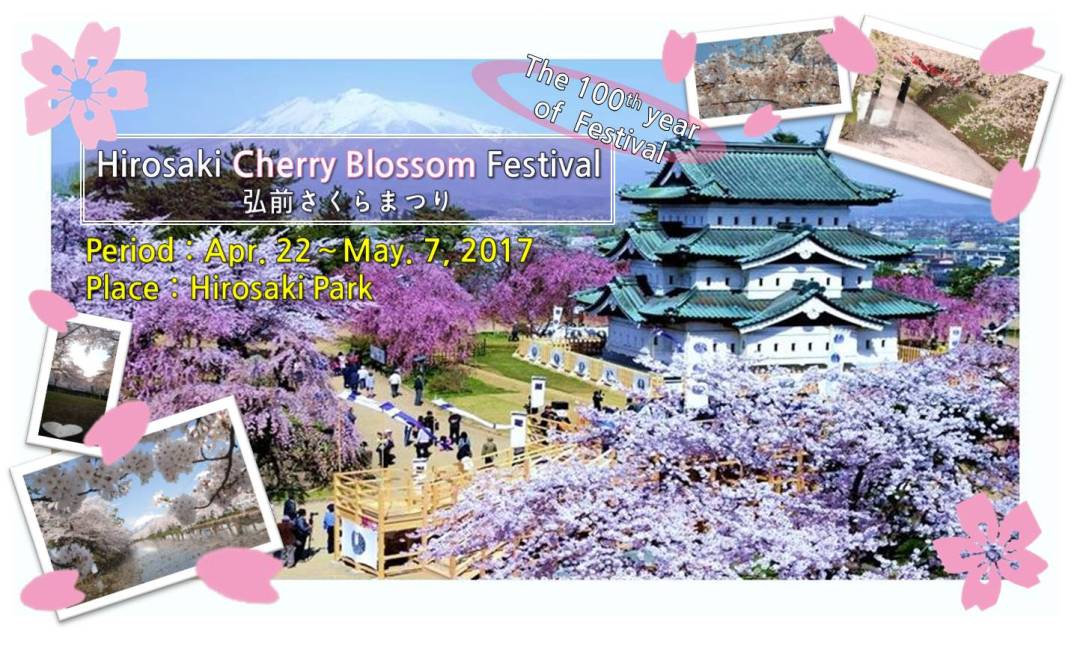
While the state of Maine seems to still be stuck in the midst of Winter, Spring Festivities in the Aomori Prefecture are approaching – the most notable being that 2017 will be the 100th year of the Hirosaki Cherry Blossom Festival!

Hirosaki City is located in the Aomori Prefecture and is home to Hirosaki Park and the famously picturesque Hirosaki Castle. The Cherry Blossom Festival in Hirosaki Park has been voted one of the best in the country and is held every year between late April and early May when the park’s approximately 2,600 cherry blossom trees are in full bloom. The festival offers a wide range of activities for visitors, from boat rides along the west moat, to picnics on the park grounds, and to the festival stalls full of seasonal food; with so much to do it’s easy to see why this festival draws over two million people per year!

For more information on the Hirosaki Cherry Blossom Festival, please visit the following:

http://www.hirosaki-kanko.or.jp/en/edit.html?id=edit14

http://japan-magazine.jnto.go.jp/en/1502_hirosaki.html

http://www.en-aomori.com/culture-034.html

Volunteer Spotlight: Hannah Hooke

April is Volunteer Appreciation Month! Friends of Aomori would be nothing without its dedicated team of volunteers!

This month, we are featuring Volunteer Spotlights on the creative and hard-working people who help make our programs a reality. We asked them to answer some questions for us to tell our visitors more about the work they do!

Volunteer Spotlight: Hannah Hooke

17155381_1395675950503637_3350208488685972229_n
Photo courtesy of the Bowdoin Japanese Program.

Q: Tell us about yourself!

A: My name is Hannah Hooke, and I’m a student of Studio Art and Art History at the University of Maine. I concentrate in Printmaking, and I most enjoy woodcut prints. I have studied abroad in Japan, and am especially enamored with its the rich artistic traditions. I hope to study in Japan again in graduate school.

Q: How did you get involved with Friends of Aomori?

A: I got involved with Friends of Aomori as a result of meeting Briar Pelletier, who was interning for Friends of Aomori, while studying abroad in Japan. Due to our mutual love of art, we became fast friends and she graciously shared this opportunity with me.

Q: What kind of volunteer work did you do for Friends of Aomori?

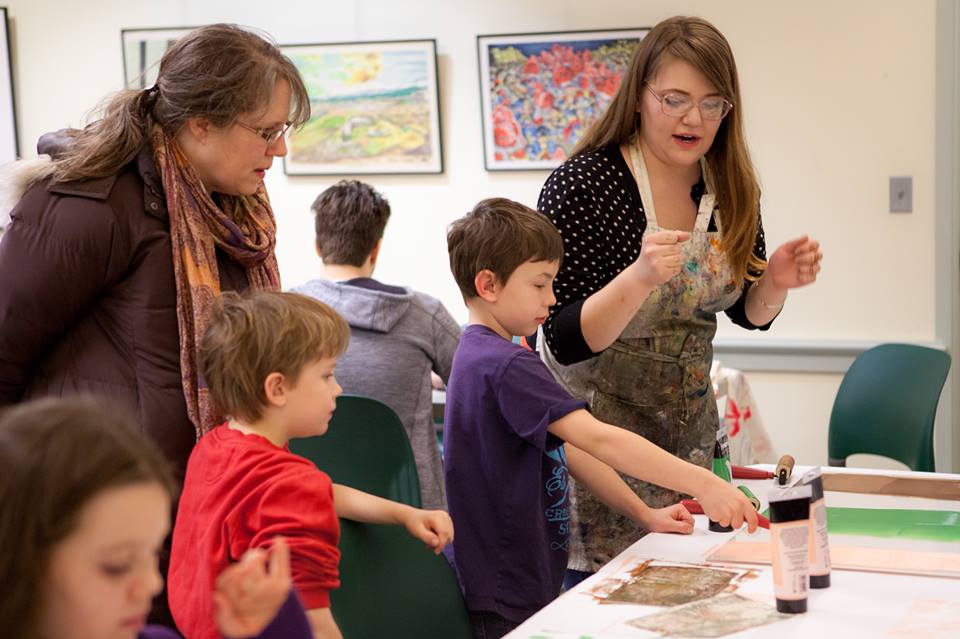
A: I participated in Bath-Tsugaru Culture Day, where I ran a relief printmaking demonstration geared toward cultivating an understanding of relief printmaking for all ages, with Japanese context, and examples of tools and methods used in Japan.

Q: What has been your favorite moment from volunteering?

A: During my time volunteering, I most enjoyed getting to interact with others also interested in Japan, and to talk about printmaking with people who may have otherwise not had an opportunity to get such an intimate overview of printmaking techniques, tools, and possibilities!

What will you take with you from volunteering with FOA?

For me, I feel that this was a really a great chance to become familiar with a wonderful organization, that I feel is doing the important work of cultivating cross-cultural awareness and companionship. I am also grateful to have had an opportunity to share the art of printmaking with others, especially children in hopes that they may grow up interested in and aware of the way creative endeavors can connect people locally and cross-culturally.

Japan Culture Day — March 12, 2016

Get rid of the midwinter doldrums with a full day of free activities for all ages highlighting Japanese culture and celebrating 25+ years of friendship between Bath and Tsugaru, Japan.

Details on events, locations, and times at our website: http://bath-tsugaru.org/2016/02/japan-culture-day-2016/

Watch a kyudo (archery) demonstration
Learn about martial arts
See and feel beautiful kimono
Sample some sake
Try traditional woodblock printing
Attend a book reading and signing
Learn some Japanese
Try your hand at writing kanji
Help us swim the distance between Tsugaru and Bath by doing laps at the YMCA–we’re halfway there already

AND MORE!

Activities will take place on Saturday, March 12, at various locations in Bath–the Patten Free Library, Now You’re Cooking, the Bath YMCA, and more.

Mark your calendar–more details to come!

Maine artists display prints in Japan

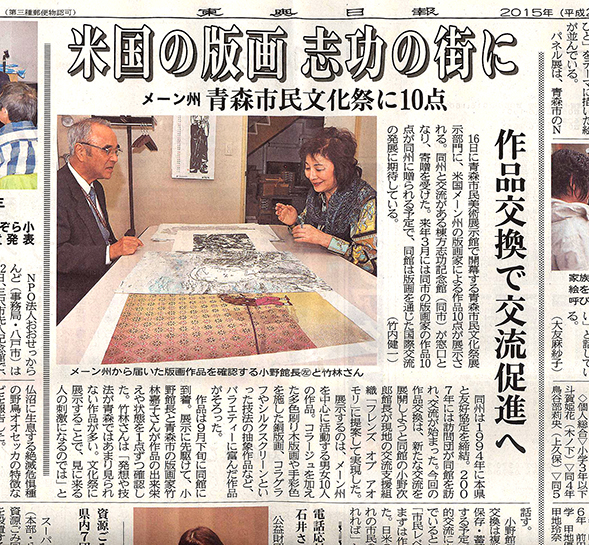
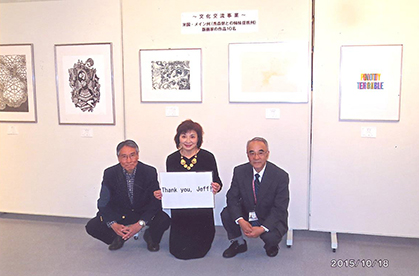
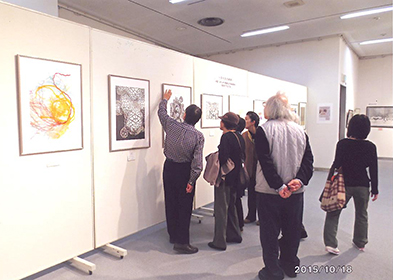
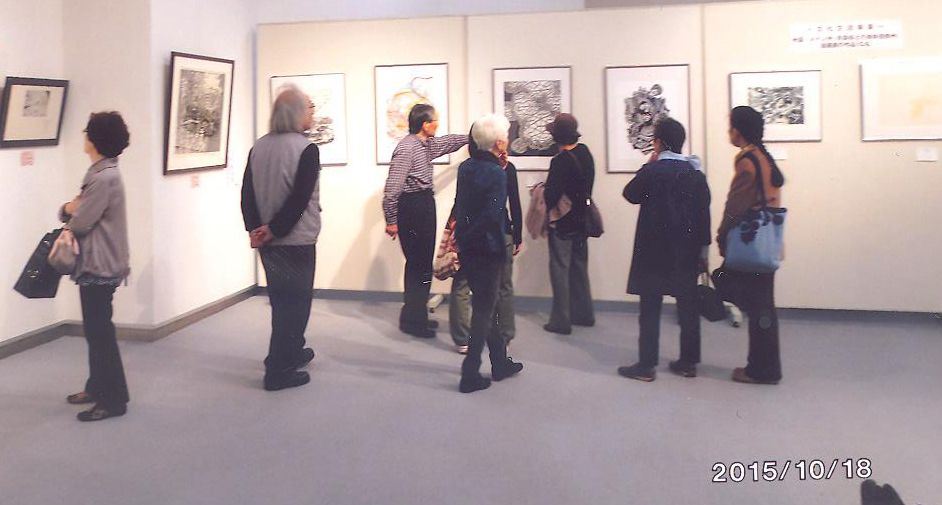
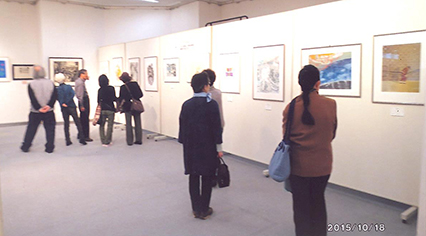
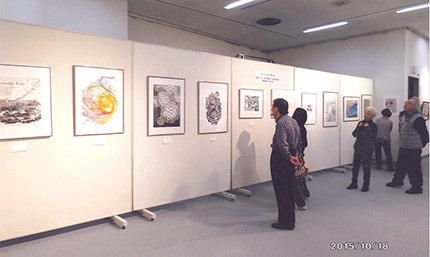
Prints by ten Maine artists were exhibited in Aomori, Japan, through the MAPS project in March, 2015. This project is a partnership between the Munakata Shiko Memorial Museum of Art and Friends of Aomori. Learn more about MAPS here.

An article about the print exhibition in the local Aomori paper.
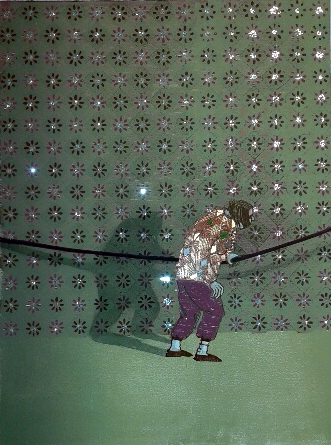
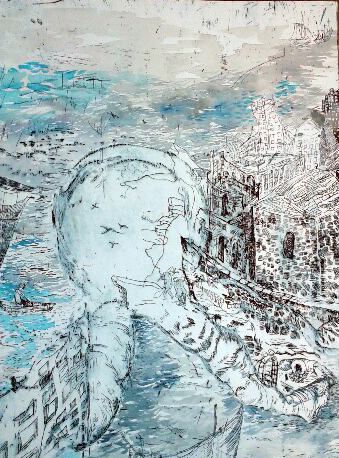
Pictured are works by Lisa Pixley, Colleen Kinsella, and Judy Allen.
Japanese partners in MAPS:
Mr. Tsujii, Display Chief; Mrs. Takebayashi, artist;
Mr. Jiro Ono, Museum Director; (left to right)

Maine-Aomori Printmaking Society launches with exhibition in Japan

The Maine Aomori Printmaking Society – or MAPS — is an exchange program of art and artists developed by Friends of Aomori in partnership with the Munakata Shiko Memorial Museum of Art.
Lisa Pixley, Untitled, woodcut, 2015
MAPS is a multi-stage project, beginning with an exhibition of
ten prints by ten Maine artists in the Aomori Municipal Art Pavilion during the Autumn Citizen’s Celebration in the prefecture.
In March of 2016, Friends of Aomori and Pickwick Independent Press will host a group of four Japanese printmakers for a
week-long residency in Portland, which will coincide with a reciprocal gallery exhibition.
This visit is supported by a grant

Colleen Kinsella,
Leviathan I, Octopus

from the Japanese Consulate in Boston to support cultural exchange between Japan and the US.

Throughout the project, both Friends of Aomori and the
Munakata Shiko Memorial Museum will build two matching collections of MAPS
prints in Maine and Japan for future exhibitions of local contemporary artists to support education about the sister-state relationship. The long term goal of MAPS is a regular exchange of art exhibitions, exchanges, and residencies between the US and Japan.

This project was initiated by Jeff Badger – Director of Tetra Projects and Friends of Aomori board member – and developed in collaboration with Jiro Ono, Director of the Munakata Shiko Memorial Museum in Aomori City.

Artists included in the premier exhibition include Judith Allen, Kyle Bryant, Clint Fulkerson, Colleen Kinsella, Lisa Pixley, Michael Marks,
Pilar Nadal, Carter Shappy, Carrie Scanga, and David Wolfe.
Check the back here for updates about MAPS and other Friends of Aomori initiatives.

Walk in U.S., Talk On Japan

Austin, Sacramento, Memphis St. Paul, Cambridge and now Portland.  On October 15th, Maine’s urban center becomes one of several American cities to host five Japanese delegates sent by the Japanese government to enhance mutual understanding between Japan and the U.S. as part of the WALK IN U.S., TALK ON JAPAN Program.

The delegates are headed by former Japanese Ambassador to the U.S., Ichiro Fujisaki.  Other delegates include Keizo Iijima, a retired CEO of the New York branch of Tokyo Mitsubishi Bank, and three young women:  Akiko Takahashi and Karuko Yuda, who work for Japanese companies, and Mai Iida, a graduate student at the University of Tokyo, researching domestic migration. The delegates will each conduct a brief presentation on aspects of the Japanese economy, society, politics or culture from their unique perspectives.  The group will take questions and hold an open discussion at the end of the presentations. One topic of interest in many cities has been the status of women in Japan today.

The program is hosted by the Consulate General of Japan in Boston, the Friends of Aomori, and the University of Southern Maine and will be held on Thursday, October 15th from 2:45 to 4:15 in Luther Bonney Hall on the Portland Campus of the University of Southern Maine. The program is open to the public and is free. For more information contact Pat Parker at patriciaparker@mac.com.